
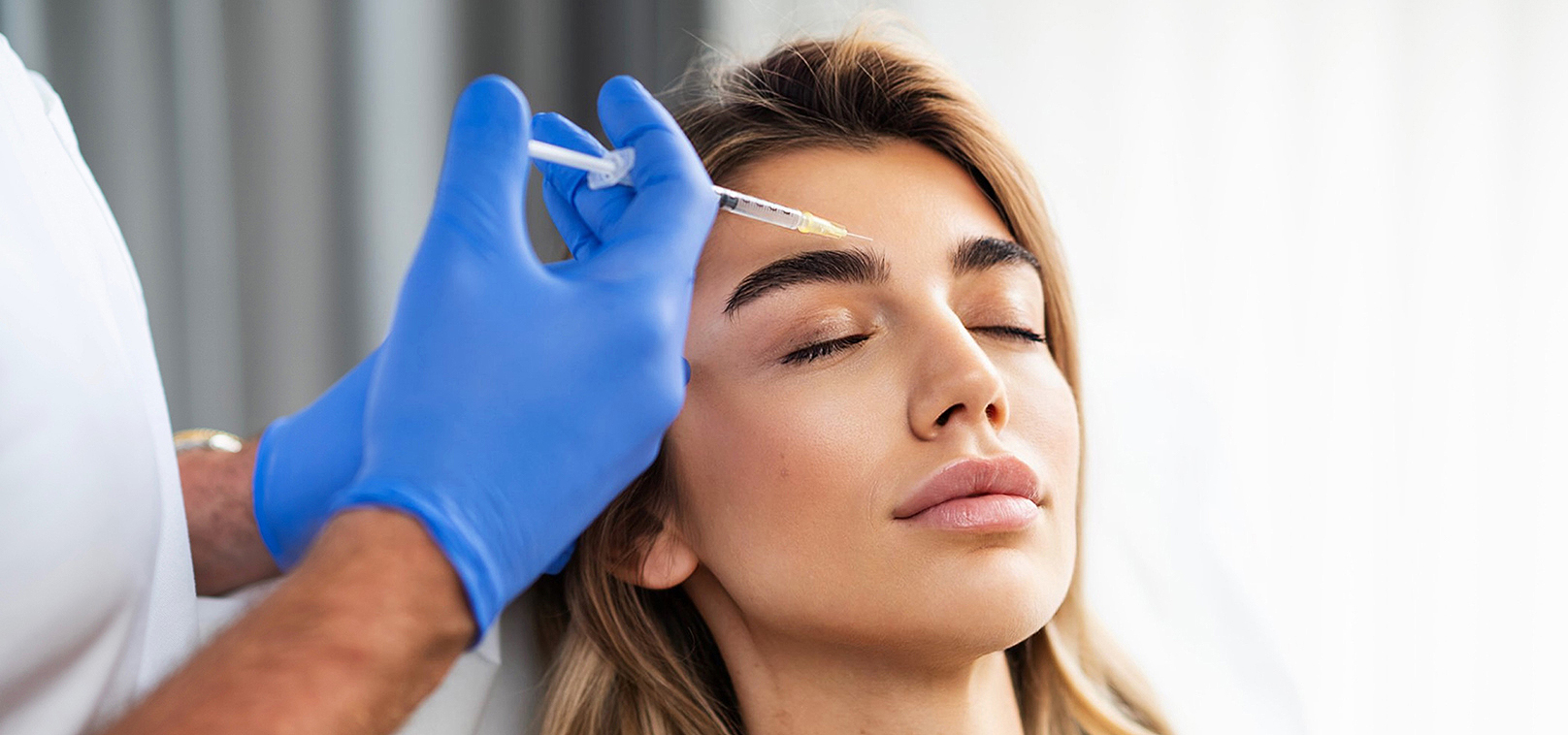
Written by: dr Nikola Milojević
A new era of aesthetics in which combinations of non-surgical treatments often outperform surgical procedures
Find out which option is best for your face through my detailed analysis of methods, risks, recovery, and the effectiveness of these different aesthetic techniques.
Surgical or non-surgical facelift? Surgical or non-surgical skin rejuvenation, nose reduction, removal of under-eye bags? I recently celebrated 20 years in this special branch of medicine-one that inspires, beautifies, and changes lives. A branch of medicine that makes millions of women happy, and increasingly men as well, and that has become an integral part of everyday life, much like going to the hairdresser or the dentist. But this "mainstreaming" of our profession only happened at the beginning of this century with the birth of non-surgical aesthetic medicine. Before that, from the 1960s to the late 1990s, only the brave, the famous, and the wealthy underwent surgical procedures. I was fortunate to be at the very source of the earliest non-surgical procedures, and I have long maintained that the scalpel is slowly becoming a thing of the past-that it will soon become a museum exhibit.
Was I right? Over the past two years, we have been watching miraculous results of surgical facelifts on social media, performed on Hollywood stars such as Lindsay Lohan and Kris Jenner-but what is really going on here? Fillers are being described on TikTok as dangerous; they "grow" and migrate. Polynucleotides are said to be unproven, and Morpheus8 is accused of melting facial fat! Is all of this true, or is it deliberately planted "fake news"? Suddenly, the "good old scalpel" is safe, and the results are magical! Is all of this reality, or just spin and marketing by the surgical branch of aesthetics? A kind of "Empire Strikes Back" by surgeons who have realized that non-surgical aesthetic medicine now possesses all the tools to address virtually every challenge in anti-aging medicine. Cornered, did they have to react?
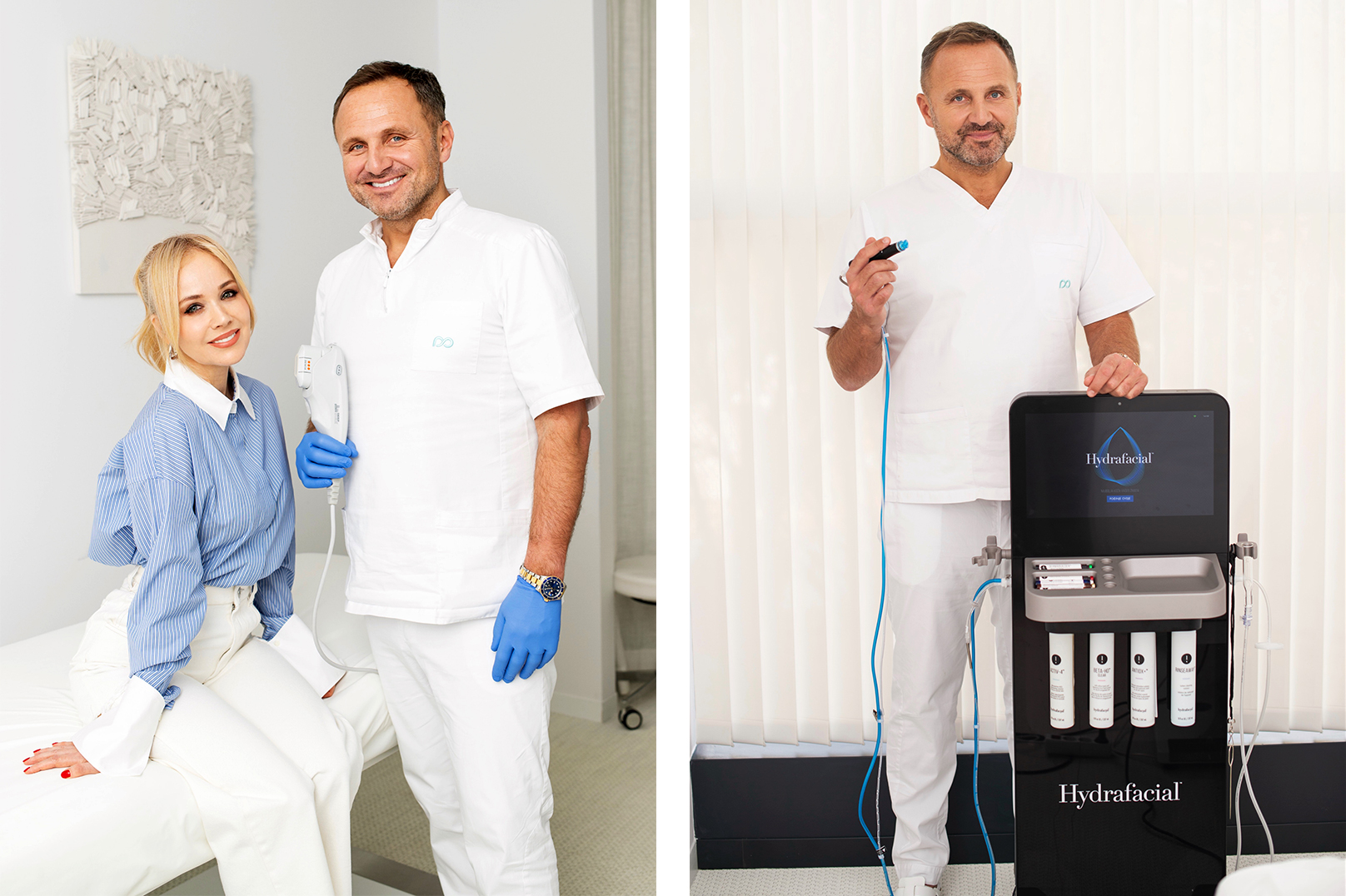
As always, the truth lies somewhere in the middle. My career path was not without obstacles. I wanted to be a plastic surgeon (I knew nothing else), like my father, Professor Boško Milojević, and I spent three years specializing in general surgery in London. But with his untimely passing, the brakes on my aspirations became overwhelming. A few years of wandering followed, and then-just as I was considering a career in family medicine, law, or even banking in the City of London-aesthetic medicine appeared, primarily through treatments with Botox and dermal fillers. It was as if my father had sent this wonderful modern branch of medicine from heaven to bring me back to where I had always dreamed of being: in the world of beauty, in this artistic branch of medicine that is not only for the brave and the wealthy, but for everyone.
Before we analyze which option is better-non-surgical or surgical facelift-let’s take a brief look into the past, into history.
It is 1938, early morning. Little Bobica wakes up, feels his bed begin to shake, and knows exactly what it means. Excitedly, he runs to the window and watches a magnificent train speed through the railway station in Dugo Selo, heading for Istanbul. Although he saw this sight often, he never ceased to marvel at the Simplon Orient Express, which began its journey in Paris and passed through Venice and Zagreb, right by his home. Watching the world’s most famous train every week, he dreamed of great things. He knew he wanted to be special, to leave a mark. The son of Nikola Milojević, head of the Dugo Selo railway station, and his mother Zlata, a school principal, Bobica had already begun planning his future at the age of thirteen.
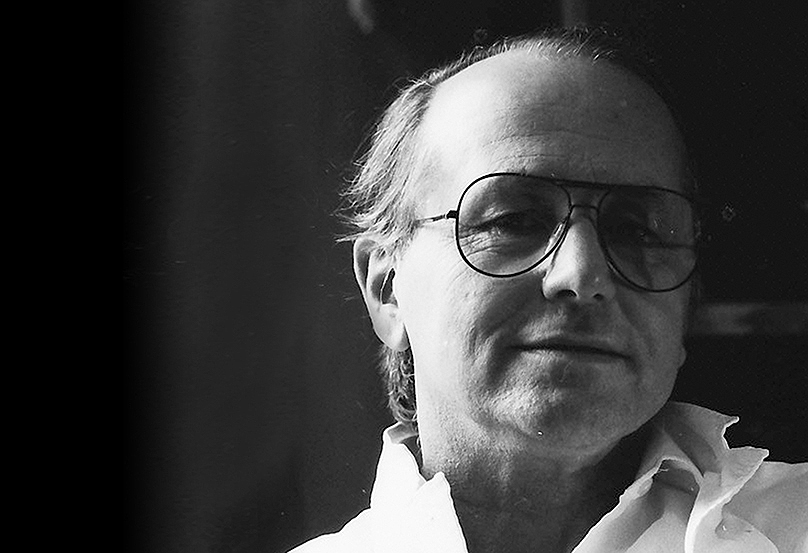
He read extensively, ordering books by mail from the famous Kugli bookstore on Ilica Street. One day, by a twist of fate, the wrong book arrived. He had ordered a book on law, but instead received From Healers and Sorcerers to the Modern Physician. The author was Dr. Lujo Thaller, a Croatian physician, a student in Vienna, later an internist at the Sisters of Mercy Hospital in Zagreb, and a full professor at the Zagreb School of Medicine. In 1938, he organized a major congress on the history of medicine in Zagreb, Sarajevo, and Dubrovnik. My father fell in love with the book, fell in love with medicine-and the rest is history.
He was the best student at the Zagreb School of Medicine and became the most talented ENT specialist at the hospital on Šalata, but his dreams outgrew his surroundings. In the 1960s, he received an offer from the "land of opportunities, the land of dreams"-the United States. In America, the sun symbolically rose hours before the rest of the world; they were decades ahead in many things. My father worked at the Medical University of Iowa and was soon invited, as an expert on the vestibular system, to work with Buzz Aldrin and Neil Armstrong as they prepared for the first flight to the Moon. Yet while the whole world looked to the stars, my father was witnessing the beginnings of aesthetic surgery in America.
He had the opportunity to work and socialize with giants in the field, and at the University of Iowa he met Professor Leslie Bernstein, one of the pioneers of aesthetic plastic surgery. This then-avant-garde branch of medicine deeply impressed him. The invention of silicone breast implants in 1962 catapulted aesthetic surgery into the spotlight. Rhinoplasties, otoplasties, liposuction-doctors seemed to have become magicians. He returned to Zagreb in 1967 and, in the midst of the harshest socialism and the Cold War, opened the first private clinic in all of Eastern Europe and one of the first aesthetic surgery clinics in Europe. Alongside colleagues and friends such as Ivo Pitanguy, Bob Flowers, and Maury Parks-one of the first Hollywood surgeons who, legend has it, performed rhinoplasty on Elvis Presley-he was among the greatest in the world for the next 25 years.
To complete this blog, I must delve a little further into history. As early as 1901, Eugen Hollander performed the first facelift in Berlin on a Polish aristocrat. The period from 1901 to 1970 is known as the "cutaneous period" of facelifting, when only the superficial skin was cut and tightened, producing rather unnatural results because deeper tissues were not addressed as they are in modern procedures. The skin was over-tightened; patients were effectively disfigured. From 1970 to 1980, the SMAS facelift was used. Professor Boško Milojević participated in the development of this technique, which is still used today; reportedly, Dr. Levine used precisely this technique for the remarkable transformation of Kris Jenner. Today, much is said about the "deep plane facelift" as something new and modern, but this same technique began being used as early as the 1980s-until the late 1990s and the beginning of this century, when the "volumetric period" arrived: the era of restoring facial volume, the era of non-surgical aesthetic medicine, and more natural, less invasive rejuvenation.
When I returned to Zagreb in 2010, I changed the mindset of Croatian doctors. I brought new knowledge and technologies of aesthetic medicine from nearby England, just as my father had done 47 years earlier from distant America. I believe some surgeons resented me a little when I stated that non-surgical medicine was the future-that the scalpel would one day become a museum exhibit. I opened the first clinic dedicated exclusively to non-surgical aesthetic medicine in the region, stepping on the toes of some more conservative colleagues. But that is always the case with something new-fear of the unknown is inevitable. Fast forward 20 years, and today clinics of non-surgical aesthetic medicine are opening almost daily. Non-surgical aesthetic medicine has become an integral part of self-care; going to "fix" sun-damaged skin or damage caused by unhealthy lifestyle habits is now like going to fix a cavity in your teeth.

As I mentioned at the beginning of this blog, how is it that surgery is now being presented as a more effective, better solution, when the course of history up until the 2020s suggests a different development of aesthetics? Have there been any fundamental breakthroughs in aesthetic surgery? No. Of course, techniques improve and knowledge advances, but nothing revolutionary has happened. The deep plane facelift has existed for decades, as has the recently praised SMAS facelift. Implants are still silicone 60 years later. Rhinoplasty methods and instruments remain rudimentary, almost archaic, with numerous postoperative complications-something I witness every week when patients come to us for corrections, believe it or not, with dermal fillers.
Before explaining how-and whether-it is even possible to achieve true lifting and tightening without a scalpel, I will first reflect on surgical facelifts themselves and explain why I believe that, for most people in the world, surgical facelifts are not the best option.
To begin with, let me list the advantages of surgical facelifts. The results are longer-lasting, although they too must be repeated every so many years; it is known that results last 8-10 years, and it is a misconception that they are permanent. For a patient who has never undergone any non-surgical procedures (Botox, fillers, lasers, biostimulators) well into older age, and whose face and neck are very sagging-what we often call a "heavy face," where everything has descended-a surgical procedure is a much better option and will achieve far superior results. Still, I believe that even in these cases, combinations of non-surgical treatments can achieve very beautiful results, without the downtime and major risks and side effects associated with surgery.
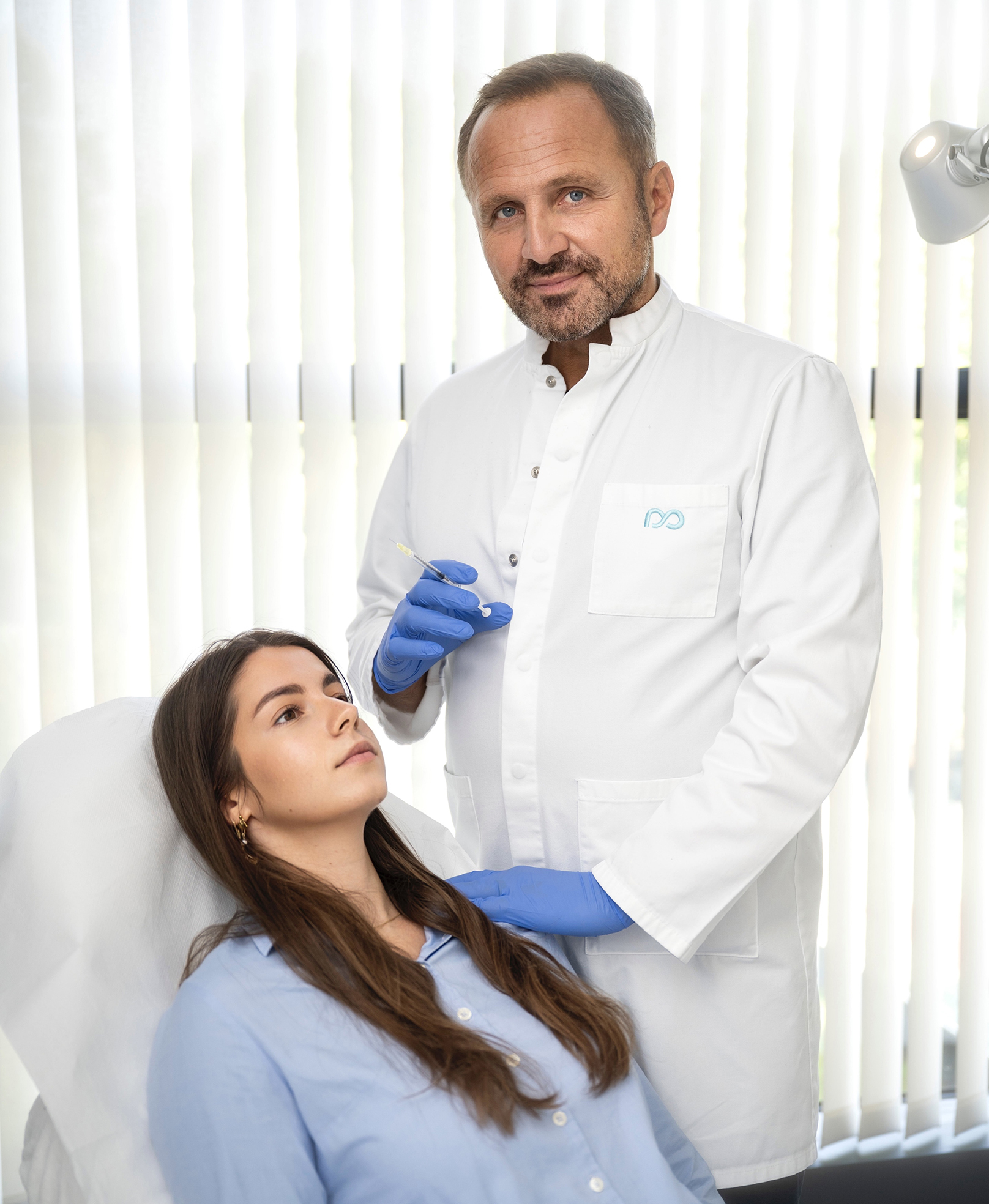
Sometimes, in order for our non-surgical treatments to be more effective, collaboration with surgeons can certainly yield excellent results-but again, this is an option only for the brave, for those who are not afraid of the knife.
A surgical facelift is an operation performed under general anesthesia, with all the risks that entails. Recovery is often long and painful. Swelling sometimes lasts for months, and final results-once the initial tightness disappears-are often disappointing. I would again mention Lindsay Lohan and Kris Jenner. They were photographed and filmed with stronger filters in the earlier post-operative period, the so-called "golden period." The results look excellent at first glance, but what will they look like in a few months? Does Lindsay Lohan even look like herself anymore? Is the man we see in the media Bradley Cooper-or someone else? When we remove your tissue-tissue that has been an integral part of your face for decades-we irreversibly and fundamentally change your appearance, and there is no going back. Moreover, we see that results are not nearly as impressive without camera filters. And without prior non-surgical treatments, would the results even be that good, especially when it comes to skin quality? One cannot help but ask whether it is wise to promote surgical facelifts already in one’s 30s and 40s, as many surgeons have been doing lately.
When discussing the downsides of surgical aesthetic medicine, it is important to mention side effects such as infections, irregularities, or skin necrosis. Nerves are often damaged, resulting in loss of facial sensation or paresis of one side of the face. Personally, I see scarring as one of the biggest problems. Although surgeons hide scars in the hairline, they are often visible in front of the ear, near the hairline, and the ear around the tragus changes shape, appearing unnatural and pulled. For men who are losing hair, these scars pose an even greater problem.
Meridians are considered energy channels through which life force flows in our bodies. They form a network of lines whose balanced flow helps maintain vitality and overall well-being. In many Eastern traditions, depictions of meridians can be found in ancient drawings and reliefs, showing that their importance has been recognized for thousands of years.
I believe that when we cut the skin in this way and create scars, we traumatize our tissue and interrupt the flow of energy through it.
The problem with surgical facelifts is that they address only the issue of loose, sagging skin, and not the other, much greater problems. Facial and skin aging has multiple components. I believe the most important is the loss of volume, as well as damage to and aging of the skin itself. Recent videos and photos of the already mentioned Kris Jenner-this time without filters-show skin that requires additional treatments such as PRP or fractional laser treatments like UltraClear. Surgical lifting simply has no answer for improving skin quality itself, which is why modern surgeons now combine non-surgical methods with their surgical ones. Before the advent of aesthetic medicine, the only options for improving skin quality were aggressive phenol peels, surgical dermabrasion, and dangerous silicone facial injections.
Cost is certainly another downside of surgical lifting. A deep facelift in the United States, performed by a reputable surgeon, costs between $50,000 and $300,000. Just last night, a friend wrote to me saying she found a price of $300,000 for this procedure in the U.S. Laughing, she said, "Do I get an apartment included at that price?" It is said that Dr. Steven Levine now charges a million dollars if you want the face of Kris Jenner! In Croatia? If you search online, you will find prices between €10,000 and €20,000 in our most modern clinics. Definitely a lot of money.
Non-surgical aesthetic medicine, with its holistic approach, offers a solution for every face and every challenge-without having to go to the bank for a loan. At Polyclinic Milojević, for a few hundred euros, you can undergo rejuvenation and skin-tightening treatments such as SkinPen microneedling, PRGF plasma, or the Plinest biostimulator-not to mention that for a somewhat higher amount, Botox erases forehead wrinkles. I can already hear you: "But Botox has to be repeated every 4-6 months!" That’s why I took the time to do the math. Smokers who smoke one pack of cigarettes a day spend more per year than Botox costs. Patients of various financial means and professions regularly come to us for Botox and dermal fillers. These are not procedures reserved for stars, the brave, and the wealthy.
Some will say: non-surgical treatments must be repeated-that’s too expensive! That is precisely their advantage! Skin changes over the years, and treatments change accordingly. We follow the aging of the skin and apply different treatments as needed. And even if a patient is not satisfied with the final result, it is not permanent-moreover, there are enzymes that dissolve dermal fillers. This is a huge advantage over surgical methods, where there is no going back.
I am sure many who read about the side effects of surgical procedures thought: But dermal fillers, Botox, and fractional lasers also have side effects! Don’t fillers migrate? After 20 years of experience with fillers, Botox, biostimulators, lasers, and other aesthetic medicine treatments, I responsibly claim: if you are in expert hands and if the highest-quality fillers and the best lasers are used, side effects are very rare and short-lived, and the results are effective and natural.
But can we truly achieve a facelift using non-surgical methods? Surgeons will always say it’s impossible. My opinion is the exact opposite, supported by scientific research and numerous publications. On the Polyclinic Milojević website, you can find a page dedicated to non-surgical facelifting, with before-and-after photos achieved exclusively through non-surgical methods. There is also a small illustration showing that 12 or even 14 ml of hyaluronic dermal filler fits into a tablespoon-illustrating that this is not a large amount when applied by expert hands that know where and how to inject it. In such cases, there will be no migration or an overfilled, colloquially "pumped" look.
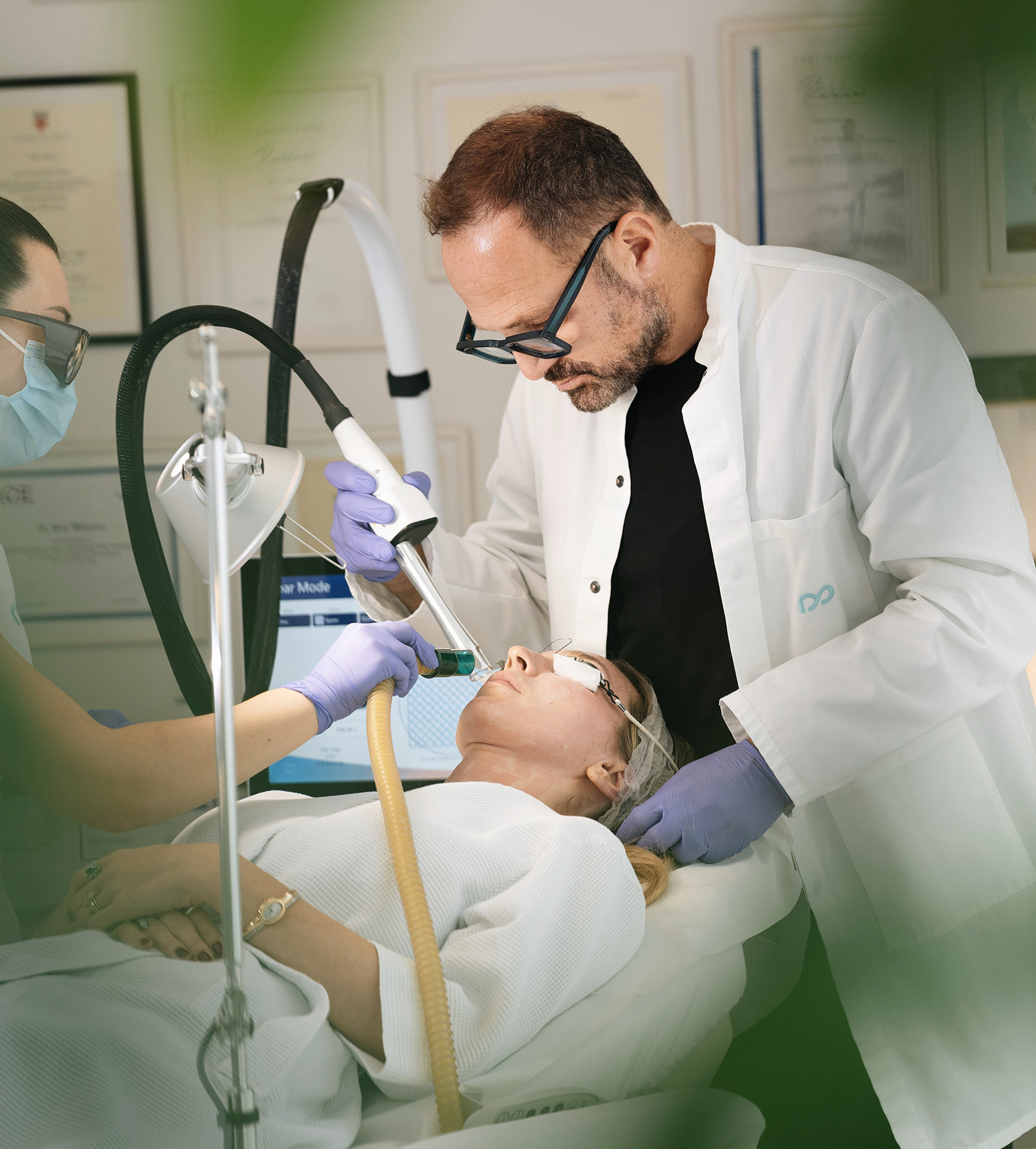
When applied expertly, into precise areas of the face and at exact dermal depths, fillers can definitely lift the face-especially when applied in ligament zones, where they support the ligaments and lift the face. There is also a modern aesthetic concept called myomodulation, where expert application of hyaluronic fillers allows us to configure the tone and strength of facial muscles and thus achieve a lifting effect. Additionally, restoring lost volume in the temporal region, under-eye area, cheeks, and chin gives the face a younger, more rested appearance. And Botox-need I even mention it? By weakening a targeted muscle, we allow the opposing muscle to strengthen, thereby lifting the eyebrows, cheeks, and corners of the mouth. Of course, in aesthetic medicine we choose whether a non-surgical facelift requires 3, 4, 8, 10, or 14 syringes of filler, depending on the patient’s needs. We also decide whether to combine it with Botox, a biostimulator, or fractional lasers such as our new friend UltraClear, which I wrote about in my last blog. UltraClear also rejuvenates, tightens, and lifts the skin, without long recovery times or scars. In one of its modes, UltraClear can very effectively perform a non-surgical facelift with a recovery of just 5-7 days and side effects limited to redness and swelling.

Through personalized combinations of different treatments-such as Botox, dermal fillers, biostimulators, microneedling, mesotherapy, or chemical peels-along with lasers like UltraClear, Ultherapy, Emface, or Morpheus8, the skin and muscles tighten, the face lifts, and we achieve a non-surgical facelift-without a scalpel. At the same time, the skin gains in quality, elasticity, and glow, which is extremely important to everyone. Innovations in aesthetic medicine are happening daily, and with the emergence of AI-who knows what awaits us. What I believe is that we will very soon enter an era without scalpels and surgeries-an era of natural rejuvenation and facial lifting, without pain and without downtime.
Before even better technologies become our reality, it is essential to start prevention and care in time: protect yourself from the sun and lead a healthy lifestyle. Treatments such as SkinPen or plasma therapy are recommended already in your twenties; preventive Botox for wrinkles before they become too deep in your thirties-just as we regularly go to the dentist for tartar removal. If we care for the skin of our face in this way, a surgical facelift will never be necessary.
Little Bobica, almost 100 years ago, running after his ball made of socks in the garden of his home in Dugo Selo, joyfully awaiting the postman with a new book, surely could not have imagined a future in which modern doctors would once again become magicians.