
Written by: dr Nikola Milojević
I belong to Generation X, a time when we grew up without mobile phones and without real internet. Life moved more slowly. Boys kicked footballs against garage doors in the neighborhood, girls played elastics, and everyone loved a good game of dodgeball. When it snowed, and it used to snow every Christmas, we sledded down my Kozarčeva street.
Instead of Roblox, FIFA, Instagram and Snapchat, we had the smell of asphalt, handmade slingshots, worn-out footballs and vivid imagination.
Every generation has its advantages and disadvantages. I'm not nostalgic enough to claim everything was better in the past, nor do I see the internet and smartphones as purely negative. On the contrary, the internet revolution has significantly improved global education and connectivity. Today, people generally speak more languages and know far more about the world, whether they live in a remote village or in New York or Zagreb. In my youth, we had to visit bookstores to expand our knowledge. Back then, aesthetic medicine didn't exist in the way it does today. I was exposed to aesthetic surgery daily because my father was a pioneer of this field across Eastern Europe and beyond.
Smoking Was "In," and Olive Oil Was Used as Skincare
At the time, aesthetic surgery was true avant-garde medicine. I was so fascinated by this field of beauty and anti-aging that it defined my life path very early on. But those were years when we didn't talk much about sun protection. A weekend night out meant coming home with clothes that smelled heavily of cigarette smoke. Smoking was "in," and olive oil was applied to the skin. Rejuvenation? The only option was surgical, going under the knife with Professor Boško Milojević. Skilled cosmetologists, like my mother, were already caring for skin in the early 1970s, but the tools of modern aesthetic medicine simply did not exist.
The Arrival of Millennials and the Rise of Non-Surgical Treatments
Millennials arrived in 1980. When I began my career in aesthetic medicine in the early 2000s, conferences constantly discussed millennials, a new generation of patients who would shape the future of aesthetic medicine. Generation Z followed in 1997. They grew up surrounded by the noise of the internet, smartphones, social media, trends, and influencers with millions of followers. This is a generation that changed everything. Shorter attention spans. A preference for everything fast, short, and immediate. A generation that cannot imagine a world without smartphones.
Do Millennials Really Look Younger Than Gen Z?
Recently, articles and social media discussions have suggested that millennials look more natural, better, and younger at the same age compared to Gen Z today. Is that really true?
Of course, this is a generalization often amplified by media and TikTok creators to generate engagement. It is not universally accurate. However, when analyzed more closely, certain aspects of this claim do hold weight.
In my father's era, only the brave underwent surgical procedures to erase wrinkles or tighten skin. Surgical interventions are major procedures, they leave scars and do not improve skin quality itself. Around the beginning of the millennial era, botox for wrinkles emerged, thanks to Dr. Jean Carruthers in Canada. When Swedish scientist Bengt Agerup invented the first hyaluronic dermal filler, Restylane, in the early 2000s, a new chapter in aesthetic medicine began.
Visiting an Aesthetic Doctor Became Routine
For twenty years, I have said that visiting an aesthetic doctor would one day be as common as visiting a dentist or hairdresser, and today, that is the reality. Skin is the body's largest organ. It is constantly damaged by pollution, stronger UV exposure, stress, and smoking. Today, in addition to botox and dermal fillers, we have a wide range of biostimulators. We are in the era of fractional lasers, radiofrequency, and HIFU treatments. With careful selection and professional supervision, results can be natural, refined, and healthy.
So Why Do We See So Many Poor Results Today?
Why does the youngest generation of non-surgical and surgical aesthetic patients sometimes appear older rather than younger? When we compare photos of people in their twenties twenty years ago (millennials) with people of the same age today (Gen Z), Gen Z often appears older. Social media is full of such commentary. When millennials became adults, social media and aesthetic medicine were both new. There were no viral "fast food beauty" trends on TikTok. There were fewer clinics, mostly run by highly trained professionals who invested years (2005-2019) attending congresses such as IMCAS and continuous education programs. Millennials embraced prevention. They used SPF. They became sun-conscious. They chose trained doctors and premium fillers such as Juvederm and Restylane. Even when some clinics overdid it, treatments were generally more measured and professional than many seen today.
Lips First. Cheeks Immediately!
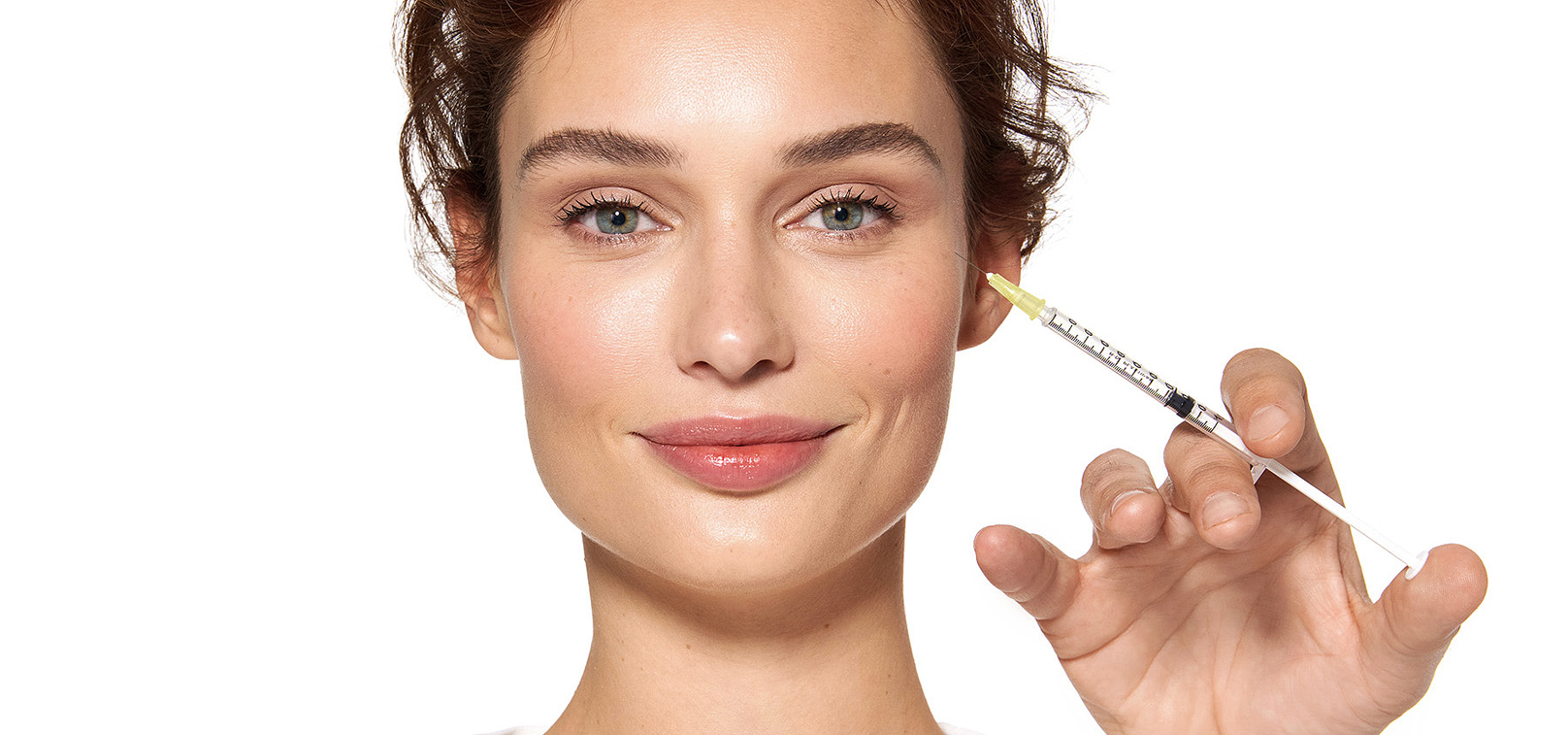
Gen Z is bombarded daily with trends and information. Younger and younger patients request lip fillers, PRP, botulinum toxin, fractional lasers. This could be acceptable if performed conservatively and within preventive frameworks. Unfortunately, TikTok trends promote "more and faster." Immediate lips. Immediate cheeks. While many excellent aesthetic clinics still operate in Croatia, the UK, and the US, there is also a growing number of unprofessional and illegal providers worldwide. Treatments are often performed with counterfeit fillers ordered online. Injections take place in apartments, administered by unlicensed individuals, even tattoo artists entering the field. The trick? Price.
Illegal and unqualified treatments are always cheaper, and for younger patients, cost is often the deciding factor. The result? Poorly performed botulinum toxin, overfilled lips and faces. Excessive intervention at too young an age often makes patients look older rather than fresher.
Makeup, Skincare and the Illusion of Maturity
Heavy makeup also plays a significant role. TikTok and YouTube tutorials dominate youth culture, and makeup styles are stronger and more sculpted than ever. Many young women therefore appear older than they are. In my opinion, this contributes more to the "paradox" than aesthetic procedures alone.
Skincare is another massive industry. Sephora has become a pilgrimage destination for young consumers. Korean, French, Japanese, American brands, thousands of products.
My own daughter, in fourth grade, already understands makeup trends. Visiting Sephora abroad feels like visiting Disneyland.
Skincare is essential, especially as an extension of professional treatments such as polynucleotides, biostimulators, botox, fillers, or lasers. At Poliklinika Milojević's Concept Store and webshop, we offer carefully selected, effective, mostly clean brands such as NOAGE, ZO Skin, 111Skin, SkinBetter, and Augustinus Bader. However, is it appropriate for early teenagers, even elementary school children, to experiment with products not formulated for developing skin?
Just because a product is trending on social media does not mean it is safe. Some ingredients may disrupt skin balance or even act as endocrine disruptors. Without professional supervision, this trend can be harmful.
Are Trends Becoming More Important Than Knowledge?
Gen Z experiments. Trends often outweigh expertise. With "Dr. ChatGPT," this dynamic may intensify, although AI can also guide patients toward credible clinics and appropriate treatments.The real issue lies in modern stress, fast-paced lifestyles, poor nutrition, screen exposure, social media pressure, and underqualified injectors. For some in Gen Z, aesthetic procedures seem more important than skin health itself. At Poliklinika Milojević, our mission for over twenty years has been education and guidance. We treat the individual, not the age. Each patient requires personalized care appropriate to their skin condition and life stage.
Gen Z is not to blame for being overwhelmed by information, much of it incorrect. My mission remains unchanged: to enhance skin health and beauty naturally, respecting facial proportions, so patients look like better versions of themselves, not caricatures of who they once were.
Understanding the Skin at the Right Time Is the Greatest Value
The greatest value of aesthetic medicine is timely understanding of the skin - not formulaic rejuvenation. An aesthetic doctor must have a refined sense of beauty and artistry. These are values we cultivate at Poliklinika Milojević. Our Gen Z patients leave our clinic looking as though nothing was done, simply fresher, slightly more refined, and healthier. Generation Alpha, born after 2010, is already arriving. They are highly informed about makeup, nails, brows, skincare, and aesthetic treatments. What will they bring?
Perhaps I should ask ChatGPT.